
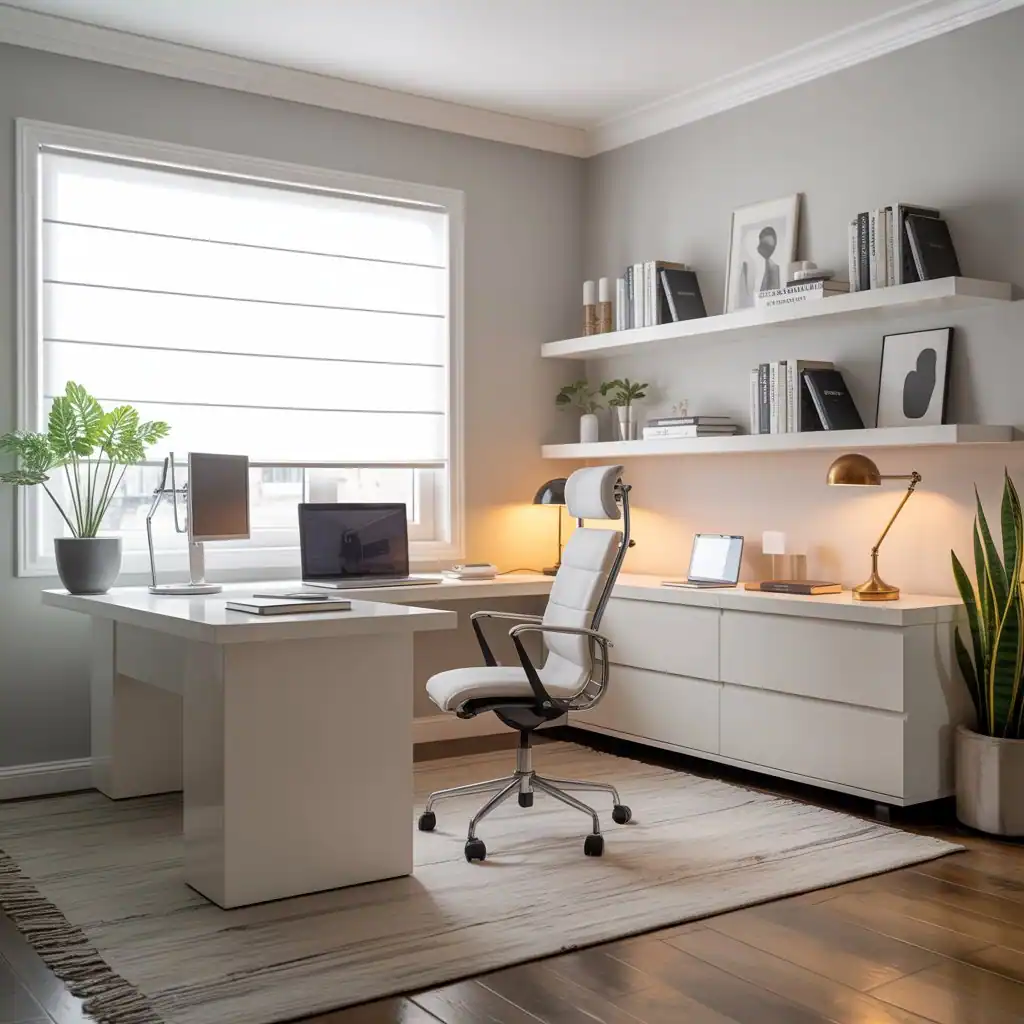
How to Design a Functional and Stylish Home Office
A well-designed home office should do more than just look good—it should support your productivity, reduce distractions, and feel comfortable to spend time in every day. Whether you have a dedicated room or a small corner, the right setup can make a significant difference in how you work and feel. The goal is to balance functionality with style so your space is both practical and inspiring.
Choose the Right Location
Start by selecting a space that fits your work style. If possible, choose a quiet area with minimal distractions. Even a small corner can work well if it’s clearly defined and separate from high-traffic areas.
Invest in a Comfortable Chair
Comfort is essential for productivity. A supportive chair helps maintain good posture and reduces fatigue during long work sessions. This is one of the most important elements of your workspace.
Use a Desk That Fits Your Needs
Your desk should provide enough space for your essential items without feeling overcrowded. Choose a size that matches your available space and supports your daily tasks.
Optimize Lighting for Focus
Good lighting reduces eye strain and improves concentration. Position your desk near natural light if possible, and add a task lamp for focused work during darker hours.
Keep Cables and Clutter Under Control
Messy cables and scattered items can make your workspace feel chaotic. Use simple cable management solutions and keep only what you need on your desk to maintain a clean environment.
Create Smart Storage Solutions
Storage helps keep your workspace organized and efficient. Use shelves, drawers, or organizers to store documents and supplies in a way that’s easy to access.
Personalize Without Overcrowding
Adding personal touches like photos, artwork, or small decor items can make your office feel more inviting. Just be careful not to overdo it—too many items can become distracting.
Stick to a Cohesive Color Scheme
A consistent color palette helps create a calm and focused environment. Neutral tones with a few accent colors often work well for maintaining both style and clarity.
Define Work Boundaries
If your office is part of another room, use rugs, shelves, or furniture placement to visually separate it. This helps create a clear distinction between work and relaxation areas.
Keep It Easy to Maintain
A functional home office should be simple to keep organized. Build habits like a daily reset and regular decluttering to ensure your space stays efficient over time.
Final Thoughts
Designing a home office is about creating a space that works for you. By focusing on comfort, organization, and thoughtful design, you can build a workspace that supports productivity while still feeling stylish and inviting. Even small improvements can have a big impact on your daily routine.